


Last updated:
Building a website for your Gold Coast business shouldn’t feel like navigating a maze blindfolded. Too many SMB owners start projects without clear budgets or realistic timelines, leading to frustrating delays and unexpected costs. This guide walks you through every stage from preparation to launch and beyond, helping you understand costs, choose the right platform, integrate SEO effectively, and avoid the pitfalls that derail most projects.
Table of Contents
- Preparation And Prerequisites
- Platform Selection And Tradeoffs
- Step-By-Step Website Building Process
- Seo Integration For Business Growth
- Common Mistakes And Troubleshooting
- Cost And Timeline Benchmarks
- Post-Launch Maintenance And Performance Tracking
- Expected Outcomes And Success Metrics
- Discover Expert Web Design & Seo Services On The Gold Coast
- Frequently Asked Questions
Key Takeaways
| Point | Details |
|---|---|
| Project scope | Website projects typically cost AUD $1,500–$4,000 and take 6–12 weeks for Gold Coast SMBs |
| SEO impact | Early SEO integration can increase enquiries by up to 59% and grow business by 25% |
| Platform choice | Your platform impacts costs, scalability, SEO potential, and long-term growth |
| Mobile optimization | Over 40% of SMB sites miss mobile best practices, causing higher bounce rates |
| Ongoing maintenance | Regular updates and monitoring ensure sustained security, performance, and lead generation |
Preparation and Prerequisites
Every successful website starts long before the first pixel appears on screen. Preparation determines whether your project wraps up smoothly in 8 weeks or drags on for 6 months.
Start by registering a domain name that reflects your brand and is easy for customers to remember. Select Australian-based web hosting for faster load times and better local support. Gather your marketing materials including logos, brand colours, copy, and professional images. Define clear business goals and identify your target customers with precision.
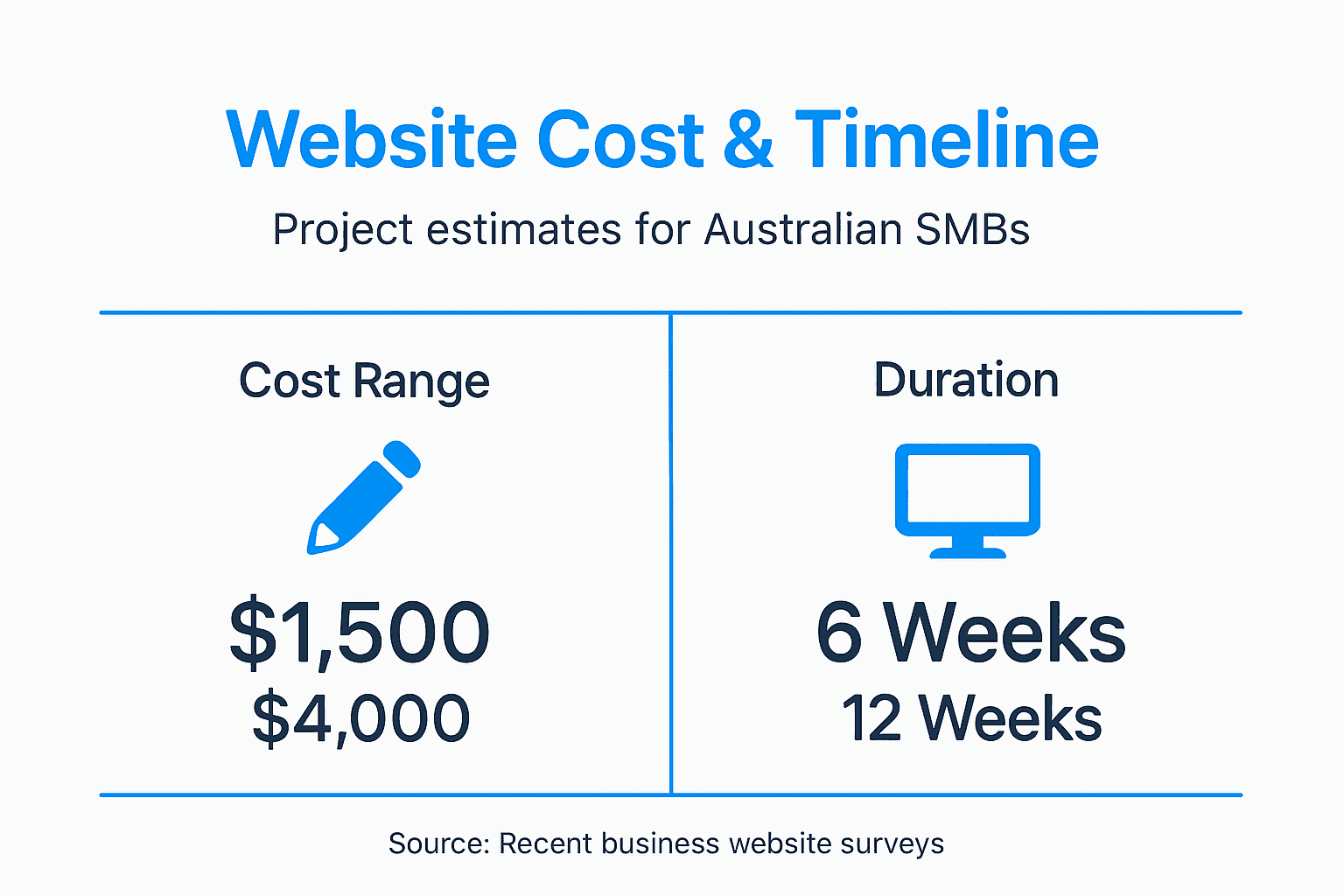
Understand realistic budget expectations. According to website cost research, typical project duration ranges from 6 to 12 weeks with costs between AUD $1,500 and $4,000. Your web design Gold Coast overview options should align with these benchmarks.
Choosing a platform suitable for your business complexity matters enormously. A simple service business needs different functionality than an ecommerce store. Consider growth plans for the next three years, not just immediate needs.
Essential preparation checklist:
- Domain registration and hosting setup
- Brand assets collection (logos, colours, fonts)
- Content preparation (copy, images, videos)
- Goal definition and customer targeting
- Budget allocation and timeline planning
- Platform research based on business needs
Pro tip: Prepare all content before development starts. Projects with ready content finish 30% faster and stay within budget more reliably.
Platform Selection and Tradeoffs
Your platform choice shapes every aspect of your website’s future. Each option brings specific strengths and limitations that affect cost, functionality, and growth potential.
WordPress powers over 40% of websites globally for good reason. It offers extensive customization, strong SEO capabilities, and moderate development costs. The platform scales well as your business grows and supports virtually any feature through plugins.
Shopify suits ecommerce businesses perfectly with built-in payment processing and inventory management. However, DIY website builder costs show ongoing expenses run higher, with subscriptions averaging AUD $500–$1,500 annually plus transaction fees.
DIY builders like Wix or Squarespace start cheap but limit advanced functionality and SEO effectiveness. According to cost research, these platforms cost AUD $500–$1,500 per year but struggle with complex integrations and custom features.
Custom CMS development suits large enterprises with unique requirements and substantial budgets. For most Gold Coast SMBs, this approach costs too much and takes too long to justify.
| Platform | Best For | Cost Range | SEO Capability | Scalability |
|---|---|---|---|---|
| WordPress | Service businesses | $2,000–$4,000 | Excellent | High |
| Shopify | Ecommerce stores | $3,000–$6,000 | Good | High |
| DIY Builders | Very small budgets | $500–$1,500/year | Limited | Low |
| Custom CMS | Enterprise needs | $10,000+ | Excellent | Very high |
Your platform directly impacts how easily you can implement SEO improvements and add features later. Choosing web design partners who understand these tradeoffs saves money and frustration down the line.
Pro tip: Choose platforms with strong plugin ecosystems. You’ll need to add features as your business evolves, and starting with a flexible foundation prevents costly rebuilds.
Step-by-Step Website Building Process
Building a business website follows a predictable sequence. Understanding each phase helps you track progress and identify potential delays early.
Phase 1: Discovery and Goal Setting (1–2 weeks)
Define objectives, target audience, competitor landscape, and success metrics. This phase establishes the strategic foundation for all design and development decisions.
Phase 2: UI/UX Design and Prototyping (2–4 weeks)
Create wireframes, design mockups, and interactive prototypes. You’ll review and approve visual direction before any coding begins. This phase typically requires 2–3 revision rounds.

Phase 3: Development and CMS Integration (3–6 weeks)
Build the actual website using approved designs. Developers implement functionality, integrate your chosen CMS, and configure backend systems. Website design for lead conversion principles guide element placement and interaction design.
Phase 4: Testing and Optimization (1 week)
Test across devices, browsers, and screen sizes. Check load speeds, form functionality, and mobile responsiveness. Fix bugs and optimize performance.
Phase 5: Launch and Monitoring (1 week)
Deploy to live hosting, configure DNS settings, and monitor for issues. Track initial performance metrics and user behaviour.
According to project timeline insights, typical project duration ranges from 6 to 12 weeks depending on complexity and content readiness.
Critical success factors:
- Maintain regular communication with your development team
- Provide feedback within 48 hours to prevent delays
- Prepare content before the development phase starts
- Test thoroughly before launch rather than fixing issues afterward
- Plan for a soft launch period to iron out unforeseen problems
Projects rarely fail due to technical issues. They fail because of poor planning, delayed feedback, or missing content.
SEO Integration for Business Growth
SEO isn’t something you add after launch. Effective optimization happens throughout development, creating a foundation for sustained organic growth.
Optimize on-page elements including title tags, meta descriptions, header structure, and URL formats. Implement structured data markup to help search engines understand your content context. According to SEO strategy insights, proper Gold Coast SEO strategies integration can increase enquiries by up to 59% and grow business by 25%.
Responsive design isn’t optional anymore. Google’s mobile-first indexing means your mobile experience directly affects search rankings. Sites that load quickly and display perfectly on smartphones rank higher and convert better.
Optimize your Google My Business profile for local visibility. Gold Coast customers searching for nearby services see local listings first. Consistent NAP (name, address, phone) information across your website and directories strengthens local SEO.
Create content aligned with how your target customers actually search. Answer their questions directly and provide genuine value rather than keyword stuffing.
Core SEO implementation steps:
- Install SEO plugins and configure basic settings during development
- Research and integrate primary and secondary keywords naturally
- Optimize images with descriptive file names and alt text
- Create clean URL structures that include relevant keywords
- Set up Google Analytics and Search Console before launch
- Build internal linking structure to distribute page authority
- Configure XML sitemaps and robots.txt files properly
Continuous improvement matters more than perfect launch-day optimization. Monitor performance, identify opportunities, and refine your approach based on real data.
Common Mistakes and Troubleshooting
Most website projects encounter predictable problems. Knowing what to watch for helps you avoid expensive fixes later.
Ignoring mobile responsiveness creates immediate problems. Website mistakes research shows over 40% of SMB websites miss mobile optimization best practices, leading to higher bounce rates and lost customers. Test thoroughly on actual devices, not just browser resize tools.
Delaying SEO integration until after launch wastes months of potential organic traffic growth. You can’t retrofit good SEO onto a poorly structured website without significant rework.
Launching without ready content causes costly delays and compromises quality. Placeholder text and stock photos make your business look unprofessional. Prepare everything before development starts.
Unclear calls to action confuse visitors about their next steps. Every page needs an obvious action you want visitors to take. Web design best practices emphasize clarity over cleverness.
Overcomplicated design reduces usability and visitor engagement. Simple, clean layouts with clear navigation outperform flashy designs with confusing interfaces.
“The best website is one that visitors forget they’re using because it works exactly as expected. Complexity for its own sake serves designers, not users.”
Quick troubleshooting guide:
- High bounce rates: Check mobile experience and page load speed first
- Low conversions: Simplify calls to action and reduce form fields
- Poor search rankings: Verify technical SEO basics and content quality
- Slow performance: Optimize images and enable caching
- Form submissions not working: Test across browsers and check spam folder configuration
Pro tip: Set up goal tracking in Google Analytics before launch. You can’t improve what you don’t measure, and historical data becomes invaluable for optimization decisions.
Cost and Timeline Benchmarks
Realistic budgeting prevents mid-project compromises that damage your final results. Understanding typical costs and timelines for Gold Coast SMBs helps you plan effectively.
According to website cost and timeline benchmarks, basic business website costs range from AUD $1,500 to $4,000 with typical project duration between 6 and 12 weeks. Platform choice and content readiness strongly affect both figures.
Maintenance costs average $100 to $500 monthly depending on features, security requirements, and update frequency. Budget for ongoing expenses rather than treating your website as a one-time purchase.
| Project Type | Cost Range | Timeline | Maintenance |
|---|---|---|---|
| Basic brochure site | $1,500–$2,500 | 6–8 weeks | $100–$200/month |
| Service business site | $2,500–$4,000 | 8–10 weeks | $200–$350/month |
| Ecommerce store | $4,000–$8,000 | 10–16 weeks | $350–$500/month |
| Custom enterprise | $10,000+ | 16+ weeks | $500+/month |
Content readiness impacts timelines dramatically. Projects with prepared content finish about 30% faster than those requiring content creation during development.
Planning reduces delays and cost overruns. Small business digital marketing success depends on setting realistic budgets that account for quality design, proper development, and ongoing optimization.
Budget allocation guidelines:
- Design and development: 60–70% of initial budget
- Content creation (if needed): 15–20% of initial budget
- Initial SEO setup: 10–15% of initial budget
- Contingency for revisions: 10% of initial budget
- First year maintenance: Plan separately from build costs
Cheap websites cost more in the long run through lost opportunities, frequent rebuilds, and poor user experience. Invest appropriately for your business size and growth ambitions.
Post-Launch Maintenance and Performance Tracking
Launching your website marks the beginning of ongoing optimization, not the end of the project. Sustained success requires diligent maintenance and continuous improvement.
Regularly update software, plugins, and security patches to prevent vulnerabilities. WordPress sites need monthly updates at minimum. Outdated software creates security risks and compatibility problems.
Continuously improve SEO using analytics data and keyword tracking. Monitor which pages attract traffic, how visitors navigate your site, and where they convert. Ongoing SEO optimization turns good websites into revenue-generating assets.
Monitor performance metrics like page load speed, uptime, and error rates. Set up alerts for downtime or critical errors so you can respond immediately. Users abandon slow sites within 3 seconds.
Track lead conversion rates to fine-tune calls to action and content. A/B test button colours, form lengths, and headline variations. Small improvements compound over time into significant results.
Leverage local support services for faster issue resolution and updates. Gold Coast-based teams understand local market dynamics and respond during your business hours.
Essential maintenance tasks:
- Weekly backups of site files and database
- Monthly software and security updates
- Quarterly content reviews and refreshes
- Ongoing SEO monitoring and adjustment
- Regular performance testing and optimization
- Annual design reviews to maintain modern appearance
Pro tip: Schedule maintenance during low-traffic periods. Most Gold Coast businesses see minimal traffic between 2 AM and 5 AM, making this ideal for updates that might temporarily affect site availability.
Websites require care like any business asset. Neglected sites lose rankings, accumulate security vulnerabilities, and miss conversion opportunities.
Expected Outcomes and Success Metrics
Measuring website success requires tracking specific metrics that align with your business goals. Generic vanity metrics don’t pay bills.
Organic traffic can increase by up to 59% with integrated SEO according to SEO strategy insights. Track monthly visitors, traffic sources, and keyword rankings to verify optimization effectiveness.
Lead enquiries typically grow by around 25% after launch when sites properly implement conversion optimization. Monitor form submissions, phone calls, and email enquiries separately to understand which channels perform best.
Maintain website uptime above 99.5% for reliability. Downtime costs money through lost opportunities and damages credibility. Quality hosting and proactive monitoring prevent most outages.
Reduce bounce rate by 20% or more through mobile optimization and improved user experience. High bounce rates signal problems with content relevance, page speed, or mobile usability.
With proper SEO integration, Gold Coast businesses see organic traffic increase up to 59% and lead enquiries grow by 25% within the first year.
Track ROI against predefined budget and timeline goals. Calculate customer acquisition cost through your website versus other channels. Lead generation tips help optimize conversion paths for maximum return.
Key performance indicators to monitor:
- Monthly organic traffic growth percentage
- Conversion rate by traffic source
- Average page load time across devices
- Bounce rate by landing page
- Customer acquisition cost via website
- Revenue directly attributed to organic search
- Search ranking positions for target keywords
Set baseline measurements at launch, then review progress monthly. Adjust strategies based on data rather than assumptions. Small continuous improvements create compound growth over time.
Discover Expert Web Design & SEO Services on the Gold Coast
You now understand the roadmap from planning through launch and optimization. Implementing these strategies successfully requires expertise, time, and technical knowledge most business owners don’t have.
Partner with specialists who understand Gold Coast market dynamics and SMB growth challenges. Professional expert web design services transform your vision into revenue-generating reality. Leverage proven professional SEO services to boost visibility and attract qualified leads. Comprehensive website development solutions handle everything from strategy through ongoing optimization, letting you focus on running your business.
Frequently Asked Questions
How long does it usually take to build a business website on the Gold Coast?
Typical build time ranges from 6 to 12 weeks depending on complexity and content readiness. Simple brochure sites often complete in 6 to 8 weeks, while ecommerce platforms need 10 to 16 weeks. Projects with prepared content, clear goals, and responsive feedback finish faster. Budgeting adequate preparation time and maintaining regular communication significantly reduces delays and keeps projects on schedule.
What platform is best for small business websites in this region?
WordPress is often best for service-based SMBs due to excellent SEO capabilities, flexibility, and moderate costs. Shopify suits ecommerce-focused businesses with built-in payment processing and inventory management. DIY builders like Wix limit growth potential and SEO effectiveness despite lower initial costs. Your specific business needs, budget, and growth plans should guide platform selection.
How important is SEO during website development?
SEO from the start can boost enquiries up to 59% and grow leads by 25% according to research. Delayed SEO integration drastically limits organic traffic potential and requires expensive retrofitting. Implementing proper site structure, mobile optimization, and on-page elements during development creates a foundation for sustained growth. Treating SEO as an afterthought wastes months of ranking opportunities.
What are common pitfalls to avoid when building my website?
Avoid skipping mobile optimization, which causes high bounce rates affecting over 40% of SMB sites. Prepare content fully before development to prevent costly delays and quality compromises. Ensure clear calls to action and simple design improve usability rather than confusing visitors. Test thoroughly across devices and browsers before launch. Budget realistically to avoid mid-project compromises that damage final results.
Recommended
- Construction Company Website Design: A Builder’s Guide
- Website design and website development: A Complete Guide
- Web Design for Tradies Your Guide to Winning More Jobs Online
- What Is the Real Cost for Website Creation in Australia
Make Titan Blue a preferred source in Google
One click tells Google to surface our articles more often in Top Stories, AI Overviews and AI Mode.

ChatGPT GPT-6 Search Upgrade: What It Means for Australia
OpenAI rolled out GPT-6 to ChatGPT on 7 October 2026 with faster search. Here is…

Best Dental Website Design Agencies in Australia: 7 Compared
Best dental website design agencies in Australia 2026: seven compared on dental proof, booking, AHPRA…

Childcare Centre Website Design Australia: The 2026 Guide
Childcare centre website design Australia: show hours, ages and enrolment as text so parents and…